Busan in Winter: What to Expect (2026)
Most travelers write Busan off as a summer destination and book flights to Jeju instead. Reasonable call. But it also means December through February is the easiest time to get a bed in Haeundae for under ₩80,000 — sometimes well under. This Busan winter travel guide covers what the city actually looks like when temperatures drop: the weather, the crowds, what closes, what opens, and why some of the best food experiences here happen specifically in the cold.
Busan Winter Weather: Colder Than You Think, Warmer Than Seoul
Busan sits on the southern coast, buffered by the ocean — and that actually matters. While Seoul regularly hits -10°C or below in January, Busan averages around 2–7°C in its coldest month. Daytime highs in December hover around 8–12°C, and by February things start creeping back toward double digits.
The coastal wind, though. That’s the real problem. On the seafront at Haeundae or Gwangalli, a 10°C day with a sea breeze can feel closer to 4°C. Layer accordingly — more on that below.
Snow does fall in Busan, but rarely and usually briefly. A light dusting might happen once or twice across winter; actual accumulation is uncommon. If you’re hoping for snow-covered temple photos, conditions vary too much year to year to plan around it. Check forecasts during your stay rather than expecting anything.
| Month | Avg Low | Avg High | Rainy Days | Tourist Crowd Level |
|---|---|---|---|---|
| December | 3°C | 10°C | 4–6 days | Low–Medium (holiday spike late Dec) |
| January | 1°C | 7°C | 4–5 days | Low (post-holiday lull) |
| February | 2°C | 9°C | 5–6 days | Low–Medium (Seollal spike) |
Based on historical averages; actual conditions vary year to year.
Crowds, Costs, and What to Know Before You Book
Winter is genuinely off-peak in Busan — except for two windows that catch visitors off guard. The first is the Christmas–New Year stretch (roughly December 23 through January 2), when domestic Korean tourists fill hotels near Haeundae and Gwangalli. The second is 설날 / Seollal (Lunar New Year), which in 2026 falls on January 29. Expect transport and accommodation to tighten around both.
Outside those windows, prices drop noticeably. Mid-range hotels and guesthouses often run 20–40% cheaper than peak summer rates. Some popular restaurants also have shorter queues — a meaningful benefit if you’ve ever waited 45 minutes for a bowl of 돼지국밥 / dwaeji gukbap / pork rice soup on an August Saturday. You haven’t lived.
One genuine downside: smaller cafes and independent guesthouses in neighborhoods like Gamcheon or Huinnyeoul sometimes close for extended periods in January. Worth noting especially now — since the K-drama and K-content boom sent tourist numbers climbing through 2023 and 2024, some of these spots have adjusted their off-season schedules unpredictably. Always check Naver Map for current hours before making the trip. Things go dark in January without warning.
What to Wear: Layering for Coastal Cold
The standard advice — thermal base, mid layer, windproof outer — works here. The specifics that matter for Busan:
- Wind-resistant outer layer: Essential near any beach or harbor. A puffy jacket alone won’t cut it on a Gwangalli seafront walk in January — the wind comes off the water and goes straight through.
- Comfortable shoes with grip: Gamcheon Culture Village (감천문화마을) has steep, uneven stairs that get slippery after light rain or frost.
- Hat and gloves: Your hands get cold fast when you’re eating 어묵 / eomuk / fish cake skewers from a street stall. This is non-negotiable.
- One smarter layer: Koreans dress up to go out, even in winter. A nicer coat for evenings in Seomyeon or Haeundae helps you blend in — and feel less underdressed in sit-down restaurants.
You can also pick up cheap thermal underwear at Gukje Market (국제시장) or any large Daiso, so don’t panic if you under-pack. Prices are reasonable and sizing goes up to larger Western sizes at most stores.
온돌 and 찜질방: Korea’s Heating Culture, Explained
Two things make Korean winters more comfortable than most Western visitors expect.
The first is 온돌 / ondol: Korea’s traditional underfloor heating system. Modern apartments and most guesthouses use a hot water pipe version that heats the floor directly. You sit or sleep on the floor and feel genuinely warm — not just not-cold, but warm. Most accommodations in Busan use ondol, though older guesthouses may have weaker setups. Worth asking before booking if it matters to you.
The second is the 찜질방 / jjimjilbang: a multi-room Korean sauna and bathhouse complex. These are typically open 24 hours, cost around ₩12,000–₩15,000 entry (as of early 2026), and include heated rooms, cold plunge pools, and common lounging areas. Some travelers sleep there overnight.
In Busan, Spa Land at Shinsegae Centum City (신세계 센텀시티 스파랜드) is the most well-known option — attached to the department store, easy to reach via the subway at Centum City Station (Line 2, Exit 12), and considerably more polished than a typical neighborhood jjimjilbang. Entry runs higher, typically ₩16,000–₩20,000, and reservations are recommended on weekends. Honestly, it can feel a bit theme-park-ish compared to a local spot, but the facilities are genuinely good and the location is convenient.
Practical note: Most jjimjilbang require you to store valuables in a locker and wear provided shorts and a t-shirt in common areas. Tattoo policies vary by location — reportedly Spa Land allows them with a cover sticker, but confirm directly before going as policies change without notice.
Best Winter Activities in Busan
Haedong Yonggungsa Temple (해동 용궁사)
This coastal temple, built on a cliff above the sea, photographs differently in winter. Fewer visitors, no summer haze, and the cold ocean color against red temple buildings makes it worth the extra effort to reach. There’s no subway stop — take Bus 181 from Haeundae Station, or confirm the current route on Naver Map before going, as bus numbers occasionally change. Budget 30–40 minutes transit time from Haeundae. And don’t start this trip after 3pm — sunset in December hits around 5:20pm.
Jagalchi Fish Market (자갈치시장)
Winter seafood in Korea is excellent. Oysters (굴 / gul) peak in season, as do various crab varieties. Jagalchi is Busan’s central fish market, located near Jagalchi Station (Line 1). You can buy raw seafood at the ground floor stalls and take it upstairs to be cooked for a small fee — or eat at the restaurants inside the market building. The menu can feel overwhelming if you don’t read Korean; pointing at what others are eating and showing photos on your phone works reasonably well. For navigating the area, the Naver Map English guide is worth reading before you go.
Gukje Market and Nampo-dong (국제시장 / 남포동)
This connected area — running from Jagalchi up through BIFF Square — stays active year-round and is genuinely easier to navigate in winter without the summer heat and dense tourist crowds. Street food stalls here sell hotteok (호떡 / sweet stuffed pancakes), eomuk skewers, and tteokbokki (떡볶이 / spicy rice cakes). All cash, all cheap. Stop whenever you’re cold, which will be often.
Gamcheon Culture Village (감천문화마을)
Winter lighting means better photography conditions — softer afternoon light, and the colorful hillside houses look striking against a grey coastal sky. Visit on a weekday morning if possible. The village is genuinely smaller than most visitors expect (there’s always a slight letdown the first time), so plan for two hours maximum and combine it with a nearby lunch rather than making it a full-day excursion.
Indoor Alternatives: Malls, Food Halls, and Warm Spaces
Busan has serious indoor infrastructure. Shinsegae Centum City (신세계 센텀시티) holds a Guinness record as the world’s largest department store, and on a cold day the basement food hall alone justifies the trip. Similarly, Lotte Department Store Gwangbok (롯데백화점 광복점) near Nampo-dong has an observation deck and solid food options. Both are heated, crowded on weekends, and genuinely useful when the wind outside is cutting.
What to Eat in Busan When It’s Cold
Cold weather is an argument for Busan food, not against it.
돼지국밥 / dwaeji gukbap (pork bone rice soup) is Busan’s signature dish — and it’s objectively better at 5°C than in August. The soup arrives at a boil in a stone pot, served with banchan and kimchi. A bowl typically runs ₩9,000–₩12,000 as of early 2026, though prices have been creeping up. Well-known spots in the Seomyeon area and Haeundae draw regular crowds; check Naver Map for current hours, as some operate limited schedules in winter.
어묵 / eomuk (fish cake skewers), sold from street carts with free cups of the hot broth they’re cooked in, costs around ₩500–₩1,000 per skewer. This is one of the better cold-weather street food experiences available anywhere, full stop. The broth alone is worth stopping for — warm, savory, and free.
For something more substantial, 해물탕 / haemul-tang (spicy seafood stew) and 대게 / daege (snow crab) are both in season through winter. Seafood restaurants near Jagalchi or in the Millak area specialize in both.
Practical Foreigner Checklist for Winter Visits
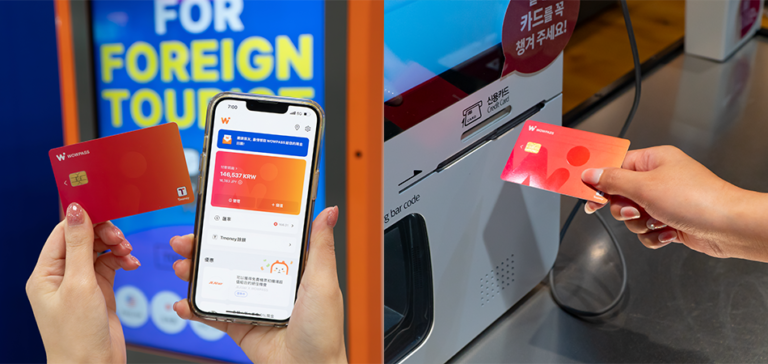
- Heating in transit: Subway stations are heated. Buses are heated but can be stuffy. A T-money card gives discounted transfers between subway and bus lines — get one at the airport.
- Daylight hours: Sunset in December is around 5:20pm. Plan outdoor sightseeing for morning and early afternoon.
- Cash for street food: Pojangmacha stalls and smaller market vendors are cash only. Having ₩20,000–₩30,000 in small bills saves friction.
- Pharmacy for cold remedies: Korean pharmacies (약국 / yakguk) are widely available; staff often speak some English. Naver Map can find the nearest open one.
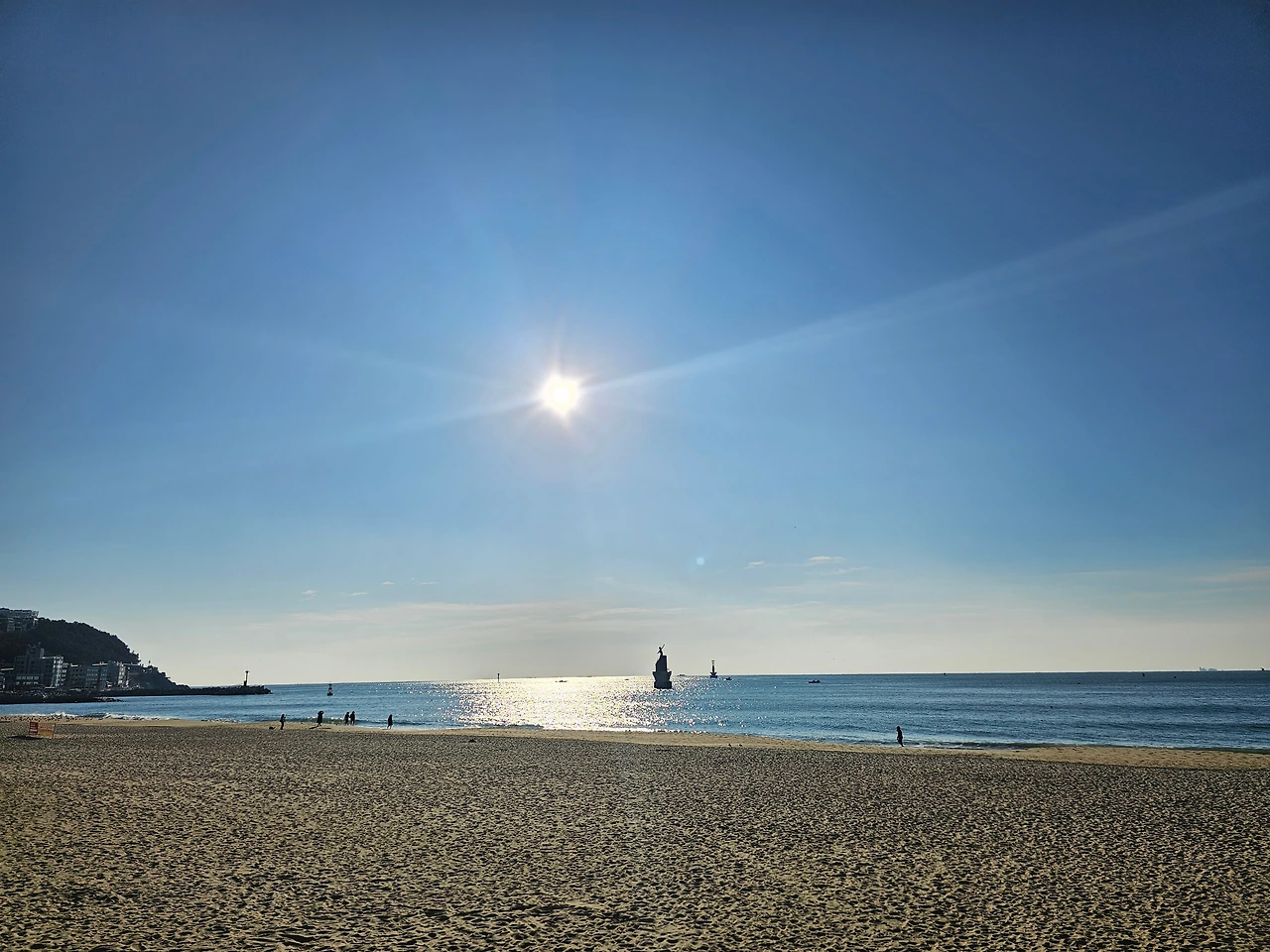
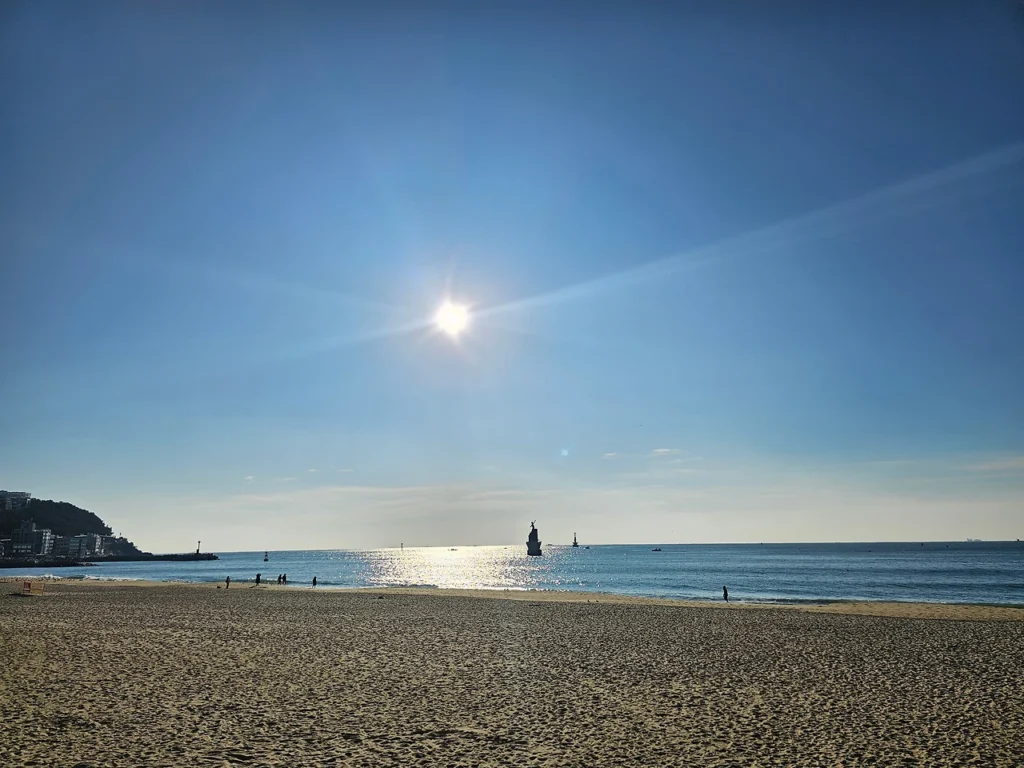
- Haeundae beach: Worth seeing for its empty, wide-open winter aesthetic — but most rental shops and outdoor stalls close from late November. The surrounding hotel and restaurant strip stays open year-round. See the Haeundae beach guide for what remains available in winter.
- Seollal closures: Many restaurants and shops close for 1–3 days around Lunar New Year (January 29, 2026). Stock up on convenience store supplies or check ahead.
The Honest Verdict: Is Winter Worth It?
This Busan winter travel guide exists because the answer is yes — for specific travelers. Those who prefer quieter sightseeing, food-focused trips, and lower accommodation costs will get a lot out of December through February. If your priorities are beach time, outdoor festivals, or the city’s summer nightlife, winter is genuinely the wrong time. No hedging on that.
But if you want to eat well, move through the city without crowds, and see a side of Korea that’s more about daily local life than tourism infrastructure — this is it. The seafood is at its seasonal peak, the jjimjilbang culture makes cold evenings genuinely enjoyable, and the streets around Jagalchi and Nampo-dong feel like an actual working city rather than a backdrop for content. That gap has gotten noticeably wider as Busan’s international tourism profile has grown post-pandemic — which makes the winter window more valuable, not less.
For current event listings and seasonal programming, the Visit Busan official website updates regularly — worth checking before travel to see what’s running during your specific dates.
Last verified: April 2026 · Sources: Visit Busan, Naver Map
Prices, hours, and details change frequently. Please verify on the official website before visiting. Notice something out of date? Let us know via the contact page.