Busan in Summer: How to Beat the Heat (2026)
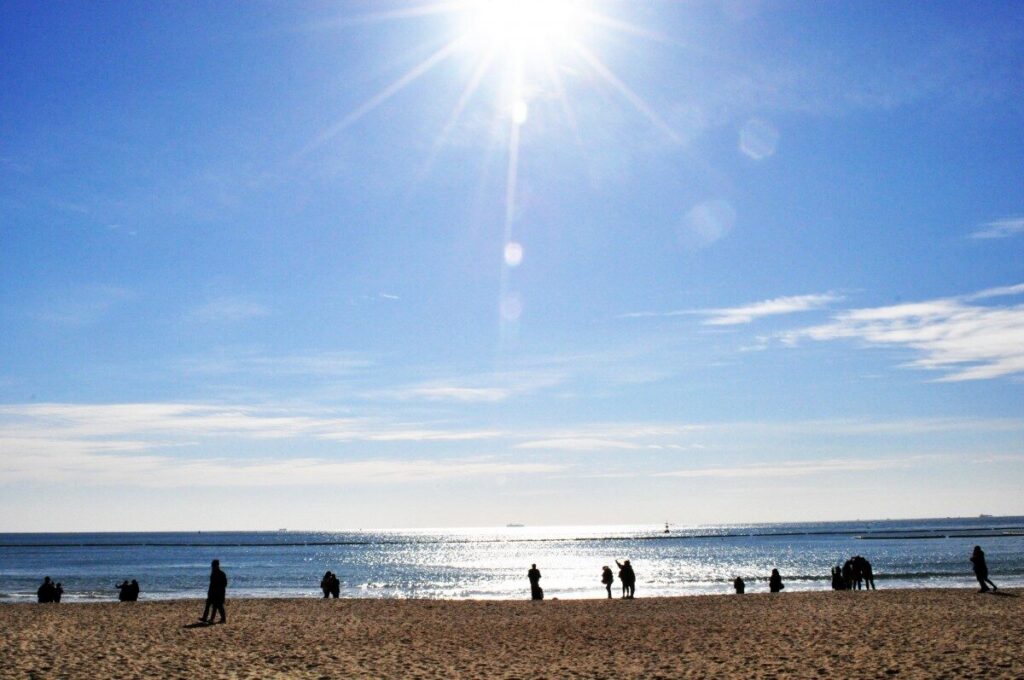
Busan in July isn’t what the travel photos suggest. The beaches look pristine, the street food smells incredible — but so does the asphalt, which has been baking in 32°C heat and 85% humidity since before you woke up. A few solid Busan summer travel tips can mean the difference between a heat-exhausted slog and a trip you actually enjoy. The city is livable in summer. But only if you understand how it actually works.
What Busan Summer Actually Feels Like
Busan sits on the southeastern coast, which gets it sea breezes Seoul doesn’t. That helps — but not as much as you’d hope. July and August still hit 29–33°C with humidity regularly above 75%, and the 장마 (jangma / monsoon season) usually runs from late June into mid-July, bringing sudden, heavy rain that gives almost no warning. After jangma ends, the sky clears and the heat just gets more aggressive.
Typhoons are a seasonal reality between August and September. Most pass without major incident, but it’s worth downloading Naver Weather (네이버 날씨) — it gives hyperlocal forecasts and is consistently more accurate for this part of Korea than international weather apps. Don’t rely on whatever came pre-installed on your phone.
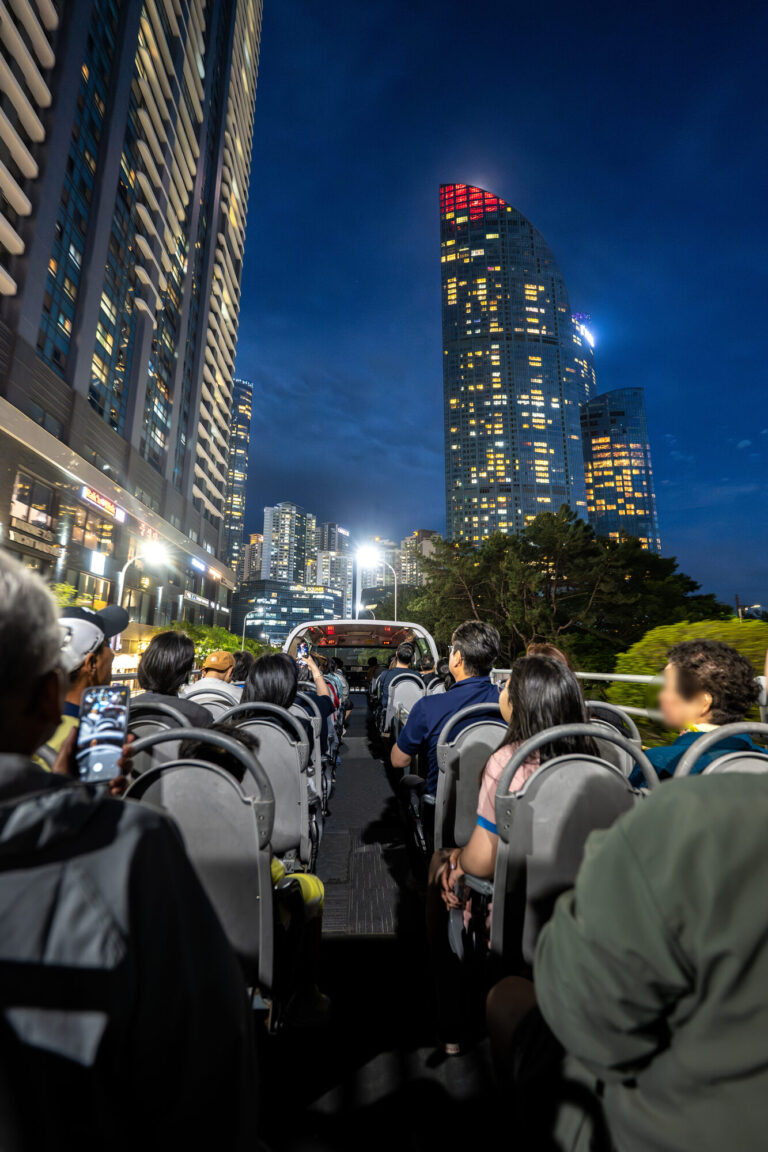
One thing that catches first-time visitors off guard: the nights are genuinely comfortable. From around 9pm onward, Busan’s waterfront areas come alive. That’s when a lot of the real city life happens — and it’s worth planning around.
Beaches Beyond Haeundae: A Practical Comparison
해운대 (Haeundae) is Busan’s most famous beach, and in peak summer it shows. On busy July weekends, visitor numbers reportedly exceed one million per day. That’s not a typo. Finding a comfortable patch of sand is possible, but you’d need to arrive before 8am — and honestly, the experience at that density can feel more like a crowd management exercise than a beach day. For a relaxed swim, the alternatives below are often the better call.
| Beach | Korean Name | Crowd Level (July–Aug) | Best For | Nearest Station |
|---|---|---|---|---|
| Haeundae | 해운대해수욕장 | Very high | Facilities, first visit | Haeundae, Line 2, Exit 3/5 |
| Gwangalli | 광안리해수욕장 | High | Night views, local scene | Gwangan, Line 2, Exit 3 |
| Songjeong | 송정해수욕장 | Moderate | Surfing, relaxed vibe | Songjeong, Line 2 (check Naver Map for exit) |
| Dadaepo | 다대포해수욕장 | Low | Sunsets, open space | Dadaepo Beach, Line 1, Exit 3 |
광안리 (Gwangalli) is the most practical alternative. Closer to the city center, a strong cafe and bar scene in the surrounding streets, and the view of 광안대교 (Gwangan Bridge) lit up at night is worth the trip on its own. Take Line 2 to Gwangan Station, Exit 3.
송정 (Songjeong) draws a surfer crowd and is noticeably calmer — smaller beach, but the area has a laid-back cafe strip that feels nothing like the Haeundae corridor. It sits on Line 2, one stop past Haeundae toward Jangsan; confirm the current walking route on Naver Map since the Donghae suburban rail also serves this area and routes overlap in confusing ways.
다대포 (Dadaepo) is in western Busan and feels like a different city entirely. Wide, uncrowded, genuinely good sunsets. The tradeoff is distance — far end of Line 1, take it to Dadaepo Beach Station, Exit 3. Worth it if space is the priority.
For a full breakdown of Haeundae’s swimming zones, facilities, and local layout, see the Haeundae Beach Guide.
When to Go Out — and When Not To
More than almost anything else, timing determines how comfortable your day will be. Busan summer follows a predictable rhythm. Work with it.
- 7:00–9:00am: Best window for beach swimming — clean water, thin crowds, manageable UV
- 9:00–11:00am: Still reasonable for outdoor walking, though the sun climbs fast
- 11:00am–3:00pm: Stay indoors. Peak UV, peak heat, and the concrete pavement radiates upward. This is not the window for sightseeing on foot — full stop
- 3:00–5:00pm: Starting to ease. Light outdoor activity is fine, though still warm
- 5:00–8:00pm: Best hours for exploring — outdoor markets, waterfront walks, rooftop cafes
- After 9:00pm: Gwangalli at night is a genuinely different experience; cooler, lively, and the bridge lights up the whole shoreline
The most common mistake is following a standard daytime touring schedule. Shift everything two hours later and you’ll be moving with the city, not against it. Simple adjustment. Big difference.
The Best Indoor Escapes
신세계 센텀시티 (Shinsegae Centum City) holds a Guinness World Record as the world’s largest department store by total floor area. Beyond retail, it has a cinema, an ice rink, and 스파랜드 (Spa Land) — a large jimjilbang (Korean bathhouse complex) that’s genuinely popular with locals year-round, especially in summer for its cold pools. The building connects directly underground to Centum City Station, Line 2. Entry fees for Spa Land appear to vary by season and weekday/weekend; check Naver Map for current pricing before you go.
영화의전당 (Busan Cinema Center) — also called the BIFF building — is a short walk from Centum City. It hosts film screenings and cultural events, but the space itself is worth visiting even without a ticket; the massive roof structure keeps large outdoor areas shaded, and the interior is air-conditioned throughout. Reportedly home to the world’s largest LED roof screen, though that’s difficult to verify independently.
Completely free option: the underground shopping arcades near 부산역 (Busan Station) and around the 남포동 (Nampo-dong) / BIFF Square area. Fully air-conditioned, free to walk through, connecting multiple city blocks without a step outside. More useful than they look on a map, particularly during the midday dead zone.
The 부산시립미술관 (Busan Museum of Art) is a short walk from Centum City — cool exhibition space, typically low entry fees, sometimes free depending on what’s showing. Check Visit Busan for current exhibitions before making the trip.
What to Wear
The instinct to wear a tank top and shorts makes sense. In direct sun from 10am onward, it works against you.
- Light long sleeves in linen or moisture-wicking fabric — counterintuitively cooler than bare skin in direct sun, because they block radiant heat rather than absorbing it
- UPF-rated UV-protection shirts: widely available at Korean outdoor brands — 코오롱스포츠 (Kolon Sport), K2, and 블랙야크 (Blackyak) all have Busan stores and stock these seasonally
- Sun hat or cap: the UV index in July and August regularly reaches 9 or 10
- 아쿠아슈즈 (aqua shoes): sold at beach convenience stores for around ₩5,000–₩10,000 — useful at Songjeong, which has rockier sections than Haeundae
- Small quick-dry towel rather than a full beach towel — hauling a wet beach towel through the subway at rush hour is exactly as bad as it sounds
Sunscreen is everywhere — 약국 (yakguk / pharmacies), convenience stores, you’ll trip over it. Korean sunscreens are generally well-regarded and reasonably priced. Reapply every two hours, especially near the water where UV reflects upward.
Staying Cool: Food and Drinks That Actually Help
Cold food is one of Busan’s genuine strengths in summer. A few things worth knowing before you arrive:
빙수 (bingsu / shaved ice) is the default summer dessert. The traditional version is 팥빙수 (patbingsu) — shaved ice with sweet red bean paste, condensed milk, and rice cake pieces. Mango, strawberry, and matcha versions are everywhere at chain cafes like 설빙 (Sulbing), which has multiple Busan locations. Prices run about ₩6,000–₩15,000 depending on size and toppings, as of 2025 — though premium spots can push higher.
편의점 (pyeonuijeom / convenience stores) — GS25, CU, 7-Eleven — are all over Busan, cold inside, and genuinely useful. Iced coffee from a store machine runs about ₩1,500–₩2,000. Locals call a convenience store iced Americano a “편아” and it is, without exaggeration, the default summer drink of the city. Cold tea, sports drinks, chilled canned meals — all cheap, all immediately available.
For a proper meal, seek out 냉면 (naengmyeon / cold noodles) — a classic Korean summer dish that earns its reputation. 물냉면 (mul naengmyeon) comes in icy cold beef broth; 비빔냉면 (bibim naengmyeon) is dry-mixed with spicy sauce. Both are widely available around 서면 (Seomyeon) and 남포동 (Nampo-dong), typically around ₩8,000–₩13,000 a bowl as of late 2025.
Getting Around in the Heat
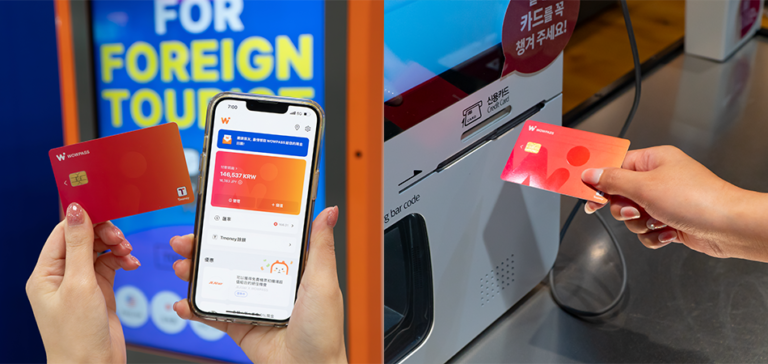
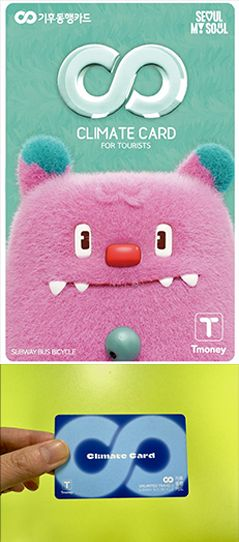
Busan’s subway is air-conditioned, reliable, and reaches most places visitors actually want to go. Between 11am and 3pm, it’s essentially the only sensible way to move across the city without suffering. If you haven’t set up a T-money card yet, the Busan subway and T-money guide covers the process from purchase to top-up.
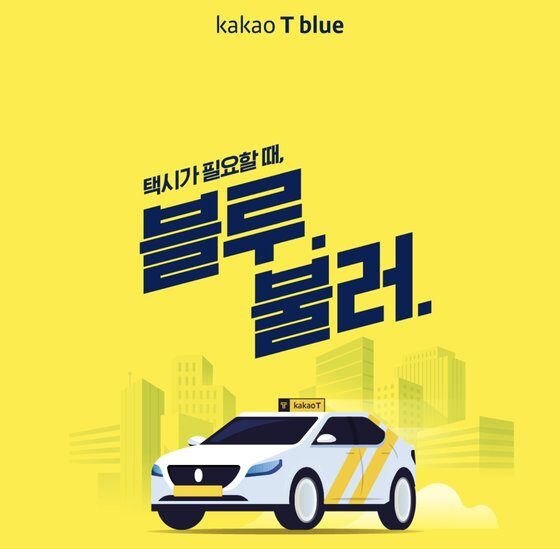
Taxis are a solid backup — air-conditioned, and cheap by most international standards. A cross-city fare in Busan typically runs ₩8,000–₩15,000. Kakao T (카카오 T) operates in English and lets you book without speaking Korean; most drivers will have it running already.
One underused trick: plan walking routes that go underground. Several Busan subway stations connect directly to department stores and underground shopping malls, so you can cover multiple blocks without stepping outside. Use Naver Map (네이버 지도) and check for underground passage options when routing — if you’re new to it, here’s how to get started in English.
Summer in Busan isn’t something to endure — it’s something to navigate. The heat is real. The Haeundae crowds in peak July and August are genuinely overwhelming, especially given how much K-content tourism has ramped up post-pandemic. But the infrastructure locals have built around all of it — cold food everywhere, air-conditioned transit, a strong night beach culture, indoor destinations worth visiting on their own terms — gives the city its own summer logic. These Busan summer travel tips come down to one adjustment: shift your hours, know your indoor options, and the rest follows naturally.
Last verified: April 2026 · Sources: Visit Busan, Naver Map
Prices, hours, and details change frequently. Please verify on the official website before visiting. Notice something out of date? Let us know via the contact page.