Nakgopsae: Busan’s Spicy Hotpot You Need to Try
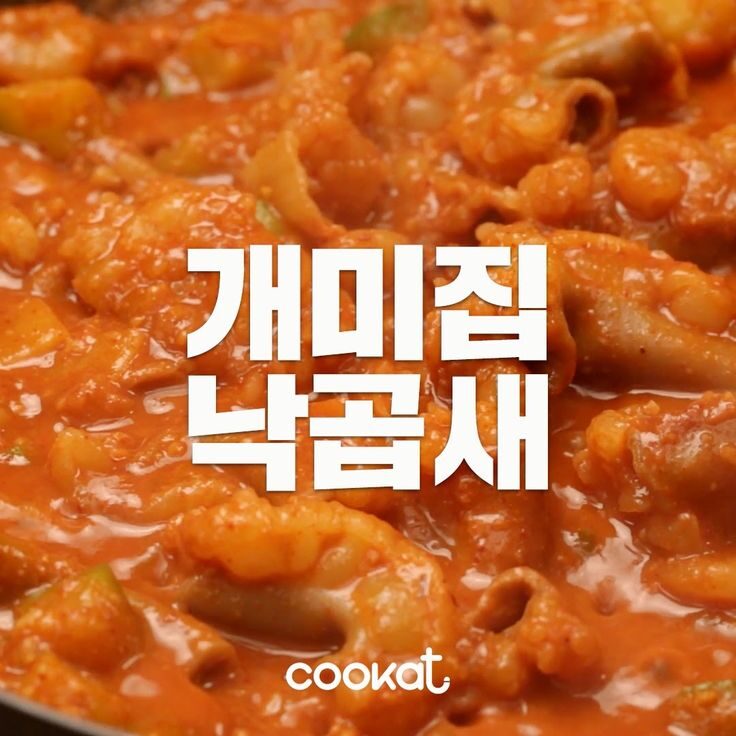
I’ve been living in Haeundae for a couple of years now, and one of the first things my Korean coworker told me to eat was nakgopsae. “It’s Busan’s food,” she said — like that was all the explanation needed. She wasn’t wrong. This spicy hotpot shows up on almost every local’s shortlist, and once you try it, you understand why.
Breaking Down the Name
Nakgopsae (낙곱새, pronounced “nak-gop-sae”) is named after its three main ingredients. The 낙 (nak) is short for 낙지 (nakji) — small, tender octopus. The 곱 (gop) comes from 곱창 (gopchang), beef intestines. And 새 (sae)? That’s 새우 (saeu), shrimp.
All three arrive raw in a wide, shallow pan on a gas burner at your table. Underneath — and this is what gives the dish its character — is a thick, brick-red paste of gochujang (고추장, fermented red pepper paste), garlic, green onion, and sesame oil. The server lights the flame, and you watch everything slowly transform.
The shrimp cook fast. Two minutes, maybe less. The octopus curls and turns opaque. Tripe takes the longest — around 8–10 minutes — and ends up chewy in the best way, having soaked up the sauce. As the liquid reduces, the paste around the pan’s edges caramelizes and deepens in color. That’s your cue.
What to Expect at the Table
The spice doesn’t hit you immediately. The first few bites taste rich, savory — almost manageable. Then somewhere around the halfway point, the heat builds in your throat and just stays there. Have water ready. The Koreans at the next table will probably be eating without flinching, which is humbling in its own way.
One honest disclaimer: if spice genuinely isn’t your thing, this dish won’t convert you. You can ask for less heat (more on that below), but even toned down, nakgopsae runs hot. Worth knowing before you sit down.
Rice (공기밥, gonggi-bap) usually comes separately — around ₩1,000–2,000 extra as of late 2025, though worth confirming when you order. Get it. You’ll want something to cut the heat between bites.
Most posts skip what happens at the end. Once the meat is mostly gone, a thick caramelized layer of sauce clings to the pan. Ask the server for 볶음밥 (bokkeumbap, pan-fried rice). They’ll scoop cold rice in, mix in crushed seaweed and sometimes a raw egg, and let it fry until it crisps against the hot metal. Most places charge around ₩2,000–3,000 for this — prices may have nudged up slightly, so check. It’s the best part of the whole meal. Skip it and you’ll regret it.
Where to Go Near Haeundae
The highest concentration of nakgopsae restaurants in Busan is in Seomyeon (서면), about 20 minutes by subway. But if you’re based in Haeundae, you don’t need to make the trip.
I usually end up at 해운대낙곱새 (Haeundae Nakgopsae), a small, no-frills spot near Haeundae traditional market (해운대 전통시장). Maybe 5 or 6 tables total. The menu on the wall is laminated with pictures. The woman at the counter doesn’t speak much English but will point straight at the picture menu if you look confused — which I did, the first time.
- Address: 부산광역시 해운대구 구남로 30번길 15 (near 해운대 전통시장)
- Price: Around ₩12,000 per person as of late 2025 — worth verifying before visiting
- Minimum order: 2 portions — this is a shared dish
- Hours: Roughly 11:30am – 10:00pm, closed Sundays — worth checking ahead
- Subway: Haeundae station (해운대역), exit 3, about 8 minutes on foot
If you’re still getting the hang of public transit here, this guide to the Busan subway and T-money card will help you figure out the route from wherever you’re staying.
How to Order Without Speaking Korean
Simpler than it looks. Someone will come to take your order within a minute or two of sitting down. Two options:
Hold up fingers for your group size and say “낙곱새 주세요” (nakgopsae juseyo — “nakgopsae, please”). Done. They’ll confirm the number of portions.
Or, more specifically: “낙곱새 이인분 주세요” (nakgopsae ee-in-bun juseyo) — “two portions of nakgopsae, please.” 이인분 (ee-in-bun) means two servings.
For the fried rice at the end, wait until the meat is mostly gone, then say: “볶음밥 주세요” (bokkeumbap juseyo). You’ll get a nod.
One thing that catches people off-guard: many smaller spots are cash only. Before sitting down, look for a card machine on the counter, or just ask: “카드 돼요?” (ka-deu dwae-yo? — “Can I pay by card?”). I’ve been caught without cash here before. For a broader sense of how payments work at restaurants in Korea, this post on cash, cards, and phone pay is worth a quick read before you head out.
Tips That Will Save You Trouble
- Spice level: The standard (기본, gibon) is already quite spicy for most non-Korean palates. Ask for less: “덜 맵게 해주세요” (deol maepge haejuseyo — “please make it less spicy”). Most places will adjust.
- Go on a weekday: Haeundae on weekends is crowded everywhere. Local restaurants near the market fill fast for dinner — especially after 6pm. Weekday lunch between noon and 1:30pm is the easiest window.
- Bring a friend: Minimum order is 2 portions at almost every nakgopsae spot. Not a solo meal. The shared-pot format is half the experience anyway.
- Don’t skip the bokkeumbap: Said it twice now. That’s not an accident. Budget ₩3,000 and order it.
- Water over beer: Beer with nakgopsae is common, but if it’s your first time with this dish, water is smarter. The heat compounds as the meal goes on, and alcohol won’t help.
If you’re spending more time around Haeundae and want to know where locals actually eat and drink beyond the beachfront, the Haeridan-gil guide covers the backstreets where most of the good spots are tucked away.
Nakgopsae isn’t a dish you eat once and forget. It’s the kind you think about two days later — and start planning the next visit around. Try it at least once while you’re in Busan.
Last verified: April 2026 · Sources: Visit Busan, Naver Map
Prices, hours, and details change frequently. Please verify on the official website before visiting.