Busan Night Bus Guide: Getting Around After Midnight
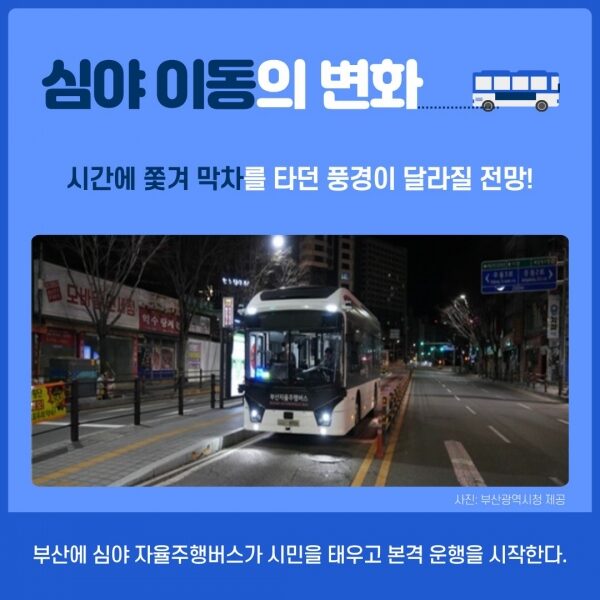
The Busan night bus saved me one Saturday night. I’d stayed out in Seomyeon until 1 AM, found the subway gates rolled shut, and was staring down a ₩30,000 taxi ride back to Haeundae. Tapped my T-money card instead. Paid ₩1,500. That gap — twenty times the cost — is exactly why knowing this system before you actually need it matters.
Busan’s subway closes around midnight. Most foreigners find out by standing at a dark station entrance with nowhere obvious to go. So here’s what you need to know to get home after midnight.
When the Subway Stops Running
Busan has four main subway lines. Last trains leave end stations between 11:00 PM and 12:20 AM, depending on the line, direction, and station. No single cutoff time covers everything.
The safest rule: if it’s past 11:30 PM, check the schedule board near the station entrance before assuming you can board. Look for 막차 (makcha — last train) times posted at the gate. Once you’ve confirmed the subway’s done for the night, shift your attention to bus options. For a fuller breakdown of Busan’s lines and T-money top-up spots, the Busan subway and T-money guide covers it in detail.
What Is the Late-Night Bus System?
The late-night service is called 심야버스 (simya beoseu — night bus). Not tourist routes. Not special shuttles. Regular city buses running modified night schedules, operating from roughly midnight until 4:30–5:00 AM on major corridors across the city.
Frequency is the biggest difference from daytime service. Expect a bus every 30 to 60 minutes — not every 5–10 minutes like the subway. Honestly, that wait is the part I find genuinely frustrating after a long night out; it’s the real trade-off for a ₩1,500 fare. Missing the bus by two minutes can mean standing around for nearly an hour, so check the app before you leave wherever you are.
The main corridors include Haeundae, Centum City, Gwangalli, Seomyeon, Nampodong, and Sasang. You won’t get everywhere — but the major nightlife and residential areas are all connected.
One thing I didn’t expect: the night bus stop is sometimes different from the daytime stop for the same route. Usually on the same street, but shifted to a different corner or side of the road. Look for the blue 심야버스 sign at the stop, or use Kakao Bus to confirm the exact boarding location.
How to Find Your Route
The best tool is the Kakao Bus app (카카오버스). Free, shows night bus departures separately from daytime routes, real-time tracking. Search your starting area, enter your destination, look at the late-night options. The interface is in Korean — but the layout is simple enough once you’ve used it once.
Naver Map also works well, especially if you want more English support. Tap the transit icon, enter start and end points, set departure time to after midnight. It shows available routes, departure times, and walking directions to the stop.
Both apps show real-time bus location. At night, that’s genuinely useful — if the bus is 28 minutes away, you can sit down, grab a snack, and not sprint to the stop for nothing.
How to Pay
Same as any city bus. Tap your T-money card when you board and again when you exit. The base fare runs around ₩1,500 (roughly $1.10 USD) as of early 2026 — worth double-checking, as transit fares do get updated. Transfer to another bus within 30 minutes and the second fare is discounted.
Contactless credit or debit cards work too, as does a transit-enabled phone. But cash is not accepted on most Busan city buses. If your T-money card is empty at 2 AM, you’re stuck. Top it up before heading out for a late night. For more on card payment and transit apps in Korea, the best apps for tourists in Korea covers Kakao T and transit options in one place.
Getting Home from Haeundae, Seomyeon, and Nampodong
If you’re based in Haeundae (해운대), buses connect you westward toward Centum City, Gwangalli, and deeper into the city center. The ride from Seomyeon back to Haeundae takes around 40–50 minutes by bus — slower than the subway, but it gets you there without the big taxi bill.
From Seomyeon (서면), buses run east toward Haeundae and southwest toward Nampodong and the BIFF Square area. Seomyeon is also a transfer hub — if no direct route goes where you need, there’s usually a connecting option here. It’s the most useful point in the system for late-night navigation.
From Nampodong (남포동) and the BIFF area, buses connect back to Seomyeon and north toward the city center. That said, this neighborhood goes quiet earlier than Seomyeon. If you’re planning to stay out past 1 AM, Seomyeon gives you more route options and more frequent departures.
Worth knowing: Friday and Saturday buses between 2:00–3:00 AM get very crowded. Clubs close, everyone leaves at once — especially near Seomyeon and Gwangalli. Standing room only is normal. Board quickly, move to the back, don’t block the front door.
Night Buses During Big Events
During the Busan International Fireworks Festival in late October, taxis near Haeundae and Gwangalli become nearly impossible after the show ends. Hundreds of thousands of people leave the same areas at the same time. Surge pricing, wait times past 30 minutes, drivers cherry-picking destinations.
On nights like these, the late-night bus is often the only realistic option. Slower, but predictable. The trick: start walking toward your stop while the crowd is still watching the finale. Get there two or three minutes early and you’ll likely get a seat. Same logic applies to major sports events and holiday weekends — plan ahead, not in the moment.
When a Taxi Makes More Sense
For solo travelers and couples, the bus is almost always the better call. For groups of three or four, taxis get competitive. A taxi from Seomyeon to Haeundae typically costs ₩20,000–₩30,000. Split four ways, that’s ₩5,000–₩7,500 per person — close to the bus fare, and significantly faster.
And after 3:00 AM on weeknights, I usually opt for a taxi. Bus frequency drops, wait times climb, and the math shifts. Use Kakao T (카카오T) to call one — it’s the standard ride app in Korea, shows upfront pricing, and is far more reliable than trying to flag a cab on an unfamiliar street in the middle of the night.
A Few Things to Know Before You Go
- The driver will not call stops in English. Track your location on Naver Map as you ride and watch the route display at the front of the bus.
- Board through the front door. Exit from the rear. Applies to all Busan city buses, day or night.
- Some night bus stops look completely dark and empty. Don’t assume the bus isn’t coming — check the app’s real-time tracker before giving up and calling a taxi.
- Night bus timing is affected by traffic and route length. On weekends, allow extra time. The schedule is a guide, not a guarantee.
- If you’re researching Busan transit in advance, the Visit Busan official website has a transit section with general route information — schedules do change periodically, so it’s worth a quick check before your trip.
The late-night bus system in Busan isn’t fast, and it’s not always comfortable on a packed Saturday. But it’s ₩1,500 versus ₩30,000. Once you’ve used it once, it stops feeling uncertain. Charge your T-money card before you go out, open Kakao Bus when the night winds down, and you’ll get home without the taxi bill.
Last verified: April 2026 · Sources: Visit Busan, Naver Map
Prices, hours, and details change frequently. Please verify on the official website before visiting.