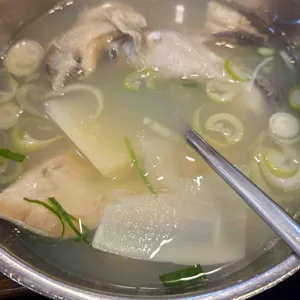
Gwangalli Mul Naengmyeon: Cold Noodles by the Sea
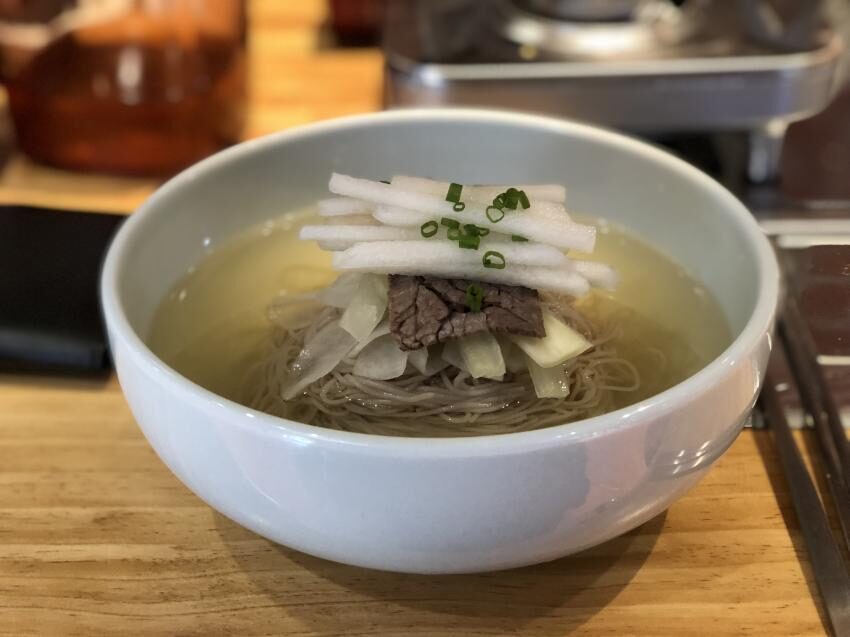
If you’re in Busan during summer and searching for cold noodles near the water, Gwangalli beach is a good place to start. I’ve eaten naengmyeon all over this city — in basement spots near Seomyeon, in little side-street joints in Nampo-dong — but there’s something about a bowl of icy broth after an hour on the sand that feels exactly right.
Naengmyeon is one of those dishes Koreans reach for when it gets brutally hot. A lot of foreigners walk right past it because the menu looks unfamiliar. This guide will fix that.
What Is Mul Naengmyeon? (물냉면)
Naengmyeon (냉면) means “cold noodles.” The mul (물) part means water — so you’re eating cold buckwheat noodles in chilled beef broth. And when I say cold, I mean it. The bowl arrives genuinely cold, sometimes with ice chunks still floating in it when it hits the table.
The noodles are buckwheat — dark, chewy, a little dense. On top: half a boiled egg, thin slices of beef or pork, julienned cucumber, and either a slice of pear or pickled radish. The broth is light but has real depth; a slightly tangy quality that comes from dongchimi (동치미 — water kimchi brine).
Every menu you’ll see near Gwangalli will also list bibim naengmyeon (비빔냉면 — spicy mixed cold noodles). Same noodles, tossed in red chili sauce instead of broth. If you’re not sure which to order, start with mul. It’s easier to appreciate on a first visit, and you can always come back for the spicy version once you know what you’re dealing with.
One more thing worth knowing: Busan is famous for milmyeon (밀면 — cold wheat noodles), a local dish made with wheat flour instead of buckwheat. They look similar. They’re not the same. If the menu says 밀면, that’s the Busan original. This post is specifically about 냉면 — the buckwheat version found all over Korea.
Why Gwangalli for Cold Noodles
Gwangalli beach (광안리해수욕장) is in Suyeong-gu, about 20 minutes by metro from Haeundae. Smaller, less crowded, and the restaurant street along the beachfront — 광안해변로 (Gwanganhaebyeon-ro) — runs for about a kilometer with food on both sides.
The logic here is simple: you eat it cold, you’re already hot, the sea is right there. Korean families have been following this logic for decades. In July and August, you’ll see full tables of people slurping through icy bowls right after a swim. It’s just what you do.
Busan’s version of the broth tends to run a bit sweeter and cleaner than what you’d find in Seoul — a subtle local character that’s easy to miss but worth paying attention to.
How to Find the Right Restaurant in Gwangalli
Walk along 광안해변로 and you’ll pass dozens of restaurants. Look for 냉면 on the sign or in the window. Most spots here serve naengmyeon alongside galbi (갈비 — grilled beef ribs) and samgyeopsal (삼겹살 — pork belly), so it’s often one item on a broader Korean menu.
Honestly, the places right on the main beachfront strip can feel a bit tourist-trap-ish — slightly higher prices, and the bowls don’t always reflect that. For better value and more focused naengmyeon, walk one block back from the waterfront. The side streets off 광안해변로 have smaller, quieter spots that specialize in cold noodles and serve them year-round — not just as a summer item. That consistency is usually a good sign.
Before you go, search 광안리 냉면 on Naver Map to check current photos, hours, and reviews — hours vary, and some places close early on weekdays. If you haven’t used it before, this guide on how to use Naver Map in English is a solid starting point.
How to Order Without Speaking Korean
Most naengmyeon restaurants near Gwangalli have picture menus or food photos on the wall. That’s your best tool as a foreigner.
Here’s what you’ll typically see:
- 물냉면 (mul naengmyeon) — cold buckwheat noodles in broth, usually around ₩10,000–13,000 as of early 2026
- 비빔냉면 (bibim naengmyeon) — cold noodles in spicy red sauce, same price range
- 왕만두 (wang mandu) — large steamed dumplings, a solid side dish
- 갈비 (galbi) — grilled beef short ribs, if you want to make a full meal of it
Point at the picture and hold up fingers for how many bowls. That’s it. The ahjumma (아줌마 — often the older woman running the place, frequently the owner) will probably point at the photo to confirm. Just nod. She’s done this a thousand times with confused foreigners.
A few spots near the beach are cash only (현금만 — hyeongeumman). Worth keeping ₩20,000 on hand just in case. For a full breakdown of payment options in Korea, this post on cash, card, and phone payments in Korea covers what you need to know.
How to Actually Eat Mul Naengmyeon
The bowl arrives cold — sometimes with ice still in the broth. Before you start, do three things:
- Add mustard (겨자, gyeoja): There’s a small yellow container on the table. Squeeze a little into the broth and stir. It adds a sharp warmth — different from chili heat. Start small; it can catch you off guard.
- Add vinegar (식초, sikcho): A small splash from the bottle on the table. This one step brightens the whole broth. Don’t skip it.
- Let the staff cut the noodles: The server will often arrive with scissors (가위 — gawi) and snip the noodles before you eat. Standard practice — naengmyeon noodles are very long. If they don’t do it automatically, say: “잘라주세요” (jallajuseyo — “please cut them”).
Mix everything gently with chopsticks. Eat the noodles first, then drink the broth directly from the bowl — Korean diners do this without thinking. The broth at the bottom, after mixing with mustard and vinegar, is genuinely the best part of the whole meal. Don’t waste it.
Prices and Getting There
A bowl near Gwangalli runs about ₩10,000 to ₩13,000 — though spots right on the main beachfront strip can push ₩14,000–15,000. Prices in this area have been creeping up, so it’s worth checking a recent Naver Map review before you sit down. On summer weekends, expect a 10–15 minute wait at busier restaurants.
Best window: a weekday between 11:30am and 12:30pm, right when most places open and before the lunch crowd fills in.
Take Metro Line 2 to Gwangalli Station (광안역), Exit 3 and walk straight toward the beach — about 10 minutes on foot. For help navigating the subway system, this guide on using the Busan metro with a T-money card covers everything you need.
And if this is your first time at Gwangalli — stay into the evening. The view of Gwangan Bridge (광안대교) at night is completely different from the daytime beach scene, and several of the naengmyeon spots stay open late. It’s worth building a full afternoon around.
Last verified: April 2026 · Sources: Visit Busan, Naver Map
Prices, hours, and details change frequently. Please verify on the official website before visiting.