Nakdong River Eco Center: Birdwatching Near Busan
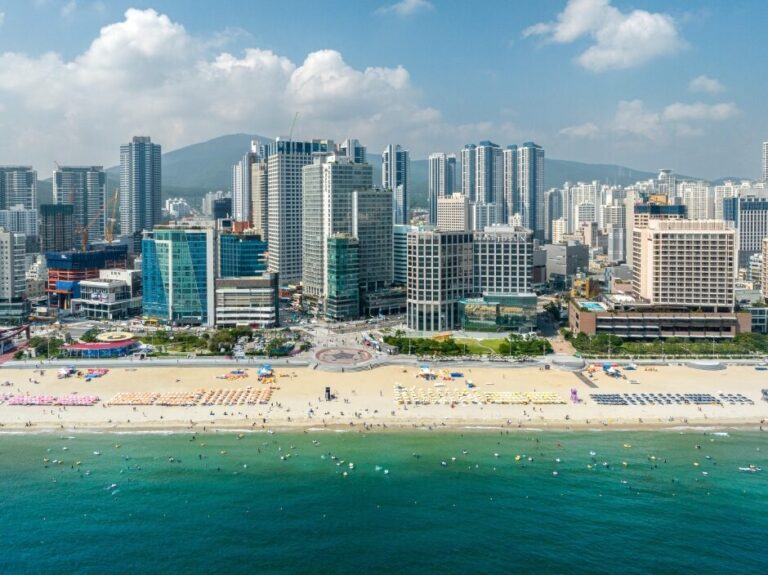
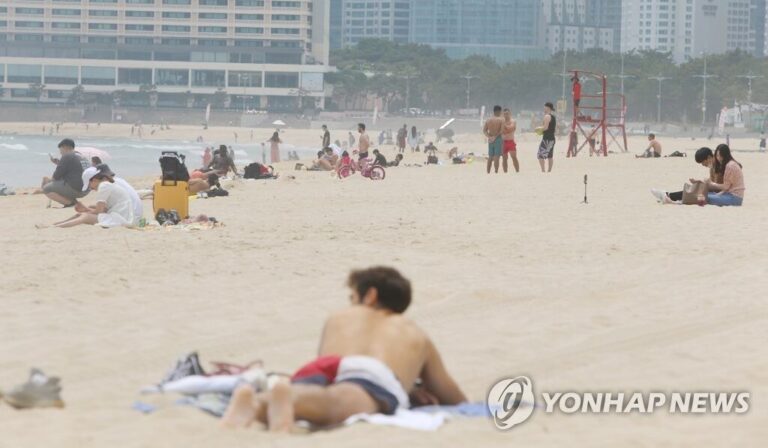
If you’ve been in Busan for more than a few days, you’ve probably already hit Haeundae Beach, Gamcheon Culture Village, and Jagalchi Market. Fair enough. But Nakdong River birdwatching in Busan is something most visitors never look up — and that’s genuinely their loss. The estuary on the western edge of the city is one of Korea’s most important wetland ecosystems, and the Eco Center there is the best starting point if you want to see migratory birds without hiring a guide or renting a car. I took the subway out on a grey November morning, not expecting much, and ended up staying nearly three hours.
What the Nakdong River Estuary Actually Is
The Nakdong River (낙동강, “Nak-dong-gang”) is the longest river in Korea — around 510km — and where it meets the sea in western Busan is where things get interesting. The estuary forms a wide wetland zone of tidal flats, reed beds, and small islands. One of them, 을숙도 (Eulsukdo, “Eul-suk-do”), is a protected migratory bird sanctuary sitting right at the river mouth. Every autumn and winter, hundreds of thousands of birds pass through or overwinter here. The numbers are hard to believe until you’re standing on the observation deck watching it happen.
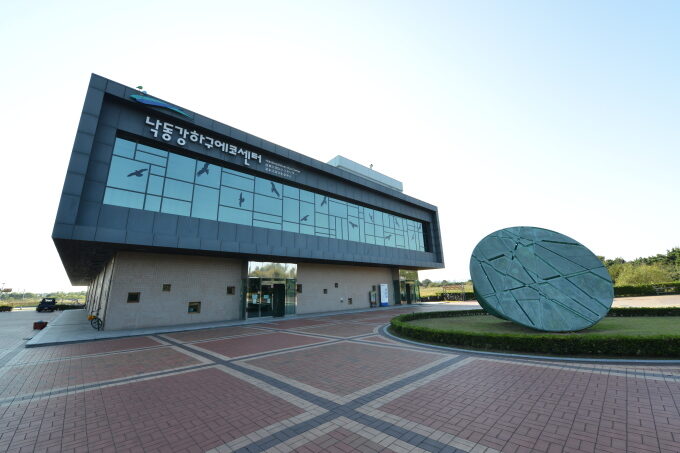
The Korean government designated the area a Ramsar Wetland Site (람사르 습지, “ram-sa-reu seup-ji”) — international recognition as a critical habitat. The Nakdong River Estuary Eco Center (낙동강하구에코센터) sits at the edge of this reserve and functions as both a nature interpretation center and a public birdwatching access point. Free to enter, well-maintained. On a weekday, you’ll likely have most of it to yourself.
How to Get There from Haeundae
From Haeundae (해운대), figure on roughly 1 hour to 1 hour 20 minutes by subway. Here’s the route:
- Take Subway Line 2 (2호선) from Haeundae station (해운대역) westbound toward Sasang
- Ride about 50 minutes to Hadan station (하단역) — roughly 12 stops
- Exit through Exit 5 and pick up a local bus toward the estuary
The bus situation at Hadan can be genuinely confusing — routes change periodically, and the stop layout isn’t intuitive. Before you leave, open Naver Map and search for 낙동강하구에코센터. It’ll show you the current bus number and exact stop. Ten minutes of planning on the front end saves real frustration on the ground.
Rather skip the bus entirely? A taxi from Hadan station takes about 10–15 minutes and runs around ₩6,000–₩8,000 as of late 2025 — worth confirming current rates, but it’s been consistently reasonable for a half-day outing. Free parking on-site if you’re driving.
What to Expect at the Eco Center
Free to enter, open to the public. Inside, permanent exhibitions cover the estuary ecosystem — birds, fish, tidal dynamics, plant communities. Most signage is in Korean, but the displays are visual enough that language isn’t a real barrier.
The outdoor birdwatching platforms along the riverbank are the main draw. You walk a path along the water’s edge looking out over mudflats and reed beds where birds feed at low tide. On the observation deck, telescopes (쌍안경, “ssang-an-gyeong”) are available for a small rental fee — worth it if you didn’t bring binoculars. The field of view is wide and flat; distant birds are genuinely hard to pick out without magnification.
- Address: 부산광역시 사하구 낙동남로 1240 (Busan, Saha-gu, Nakdongnamsam-ro 1240)
- Hours: Around 9:00am – 6:00pm (last entry around 5:30pm) — worth confirming before visiting
- Closed: Mondays and public holidays
- Admission: Free
- Parking: Free on-site
Nakdong River Birdwatching Busan: What You’ll See and When
Short version: winter is the main season. October through March is when the estuary earns its reputation. Migratory waterfowl from Siberia, China, and northern Japan arrive in enormous numbers — on a good morning in December or January, the mudflats are covered with feeding birds across a wide stretch of river.
Species you’re likely to spot:
- 가창오리 (Baikal teal, “ga-chang-o-ri”) — the winter highlight. These ducks arrive in flocks that can number in the hundreds of thousands on the Korean peninsula, and their murmurations at dusk — tight, swirling formations over the water — are unlike anything you see in a city.
- 저어새 (Black-faced spoonbill, “jeo-eo-sae”) — critically endangered globally, and the Nakdong Estuary is one of their key wintering sites in Korea. Pale, with a distinctive spatula-shaped bill. A legitimately significant sighting for any birdwatcher.
- 왜가리 (Grey heron, “wae-ga-ri”) — present year-round, large and easy to spot standing still in shallow water
- 흰뺨검둥오리 (Spot-billed duck, “hwin-ppyam-geom-dung-o-ri”) — the most common resident duck, seen in any season
- 도요새류 (Shorebirds, “do-yo-sae-ryu”) — spring and autumn bring a rotating mix of sandpipers and plovers moving through on migration
Honestly, if you’re visiting between June and August, adjust your expectations. The big migratory flocks are gone, the exposed riverbank gets uncomfortably hot, and the 1+ hour journey from Haeundae is harder to justify. Resident waterbirds and nesting species are still active on Eulsukdo — but this is a winter destination at heart, and the off-season experience is noticeably diminished.
Best time of day: Morning, one to two hours after sunrise. Birds feed most actively at low tide, so checking a tide table beforehand makes a real difference to what you see. Low tide on the mudflats in morning light — that’s the combination you want.
Practical Tips Before You Go
- Bring layers. The riverbank is flat and exposed. Wind off the water in winter is sharp — it can be noticeably colder here than in Haeundae even on the same day.
- No café on site. Nowhere to buy food or coffee at the Eco Center. Stock up at a convenience store near Hadan station before boarding the bus.
- Binoculars are worth it. The Eco Center has loaner telescopes, but your own binoculars mean you can walk the outdoor paths freely without returning to the building.
- It’s quiet. Deliberately. This is not a tourist attraction with crowds or programming. A nature reserve — silence, mudflats, birds. That’s what you’re going for.
- Add Eulsukdo to the visit. The island has walking paths and is accessible just across the bridge. If the weather holds, the Eulsukdo perimeter path adds another hour and puts you much closer to the reed beds.
For getting there by subway, make sure your T-money card (티머니 카드) is loaded — you’ll need it for both the subway and the bus. Our Busan subway and T-money guide walks through the whole setup if this is your first time using the system. Bus routes and fares do shift occasionally, so it’s worth a quick check on Naver Map the morning you go.
If you want to make a full day of it, Hadan is a solid base for other parts of western Busan. Or head back east and finish the evening along the waterfront near Haeundae Beach — about an hour by subway.
The estuary rewards the small effort required to reach it. Not difficult. Just slightly off the standard tourist map — which means when you get there, you actually get to be there.
Last verified: April 2026 · Sources: Visit Busan, Naver Map – 낙동강하구에코센터
Prices, hours, and details change frequently. Please verify on the official website before visiting.