Bongnaeok: Best Dwaeji Gukbap in Busan
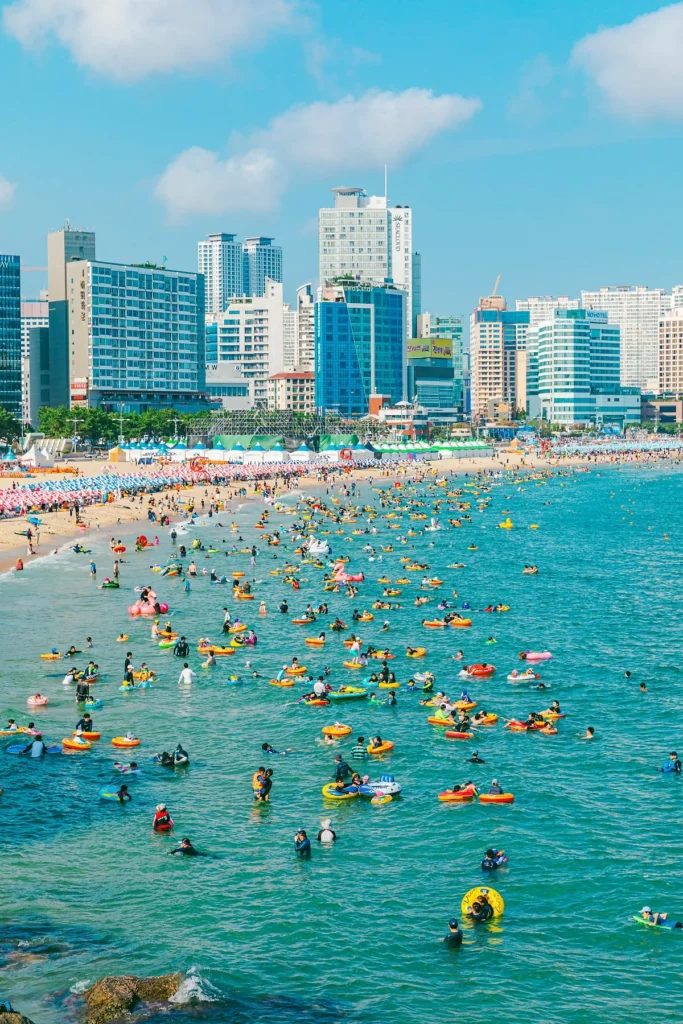
If you’re going to eat one thing in Busan, make it dwaeji gukbap. Dwaeji gukbap Busan-style is not just a dish — it’s practically the city’s identity in a bowl. I’ve eaten it at a dozen places since moving to Haeundae, and Bongnaeok (봉래옥) in the Bupyeong area is the one I keep coming back to. Not because it’s the trendiest spot — it isn’t — but because it’s the place locals point you toward when they’re tired of tourists going to the wrong spots.
What Is Dwaeji Gukbap?
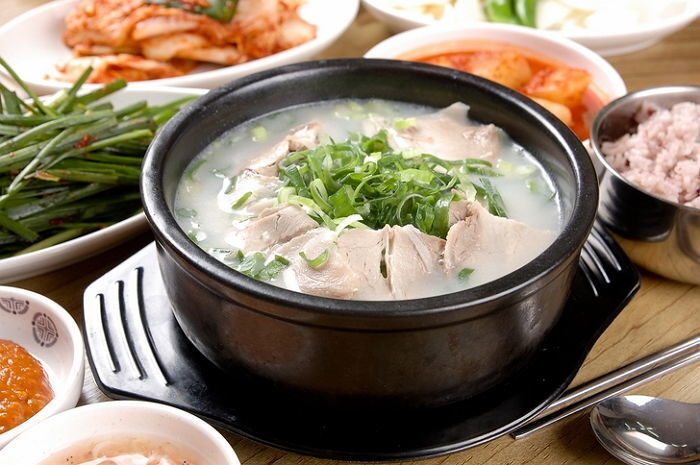
Dwaeji gukbap (돼지국밥, pronounced “dweh-ji guk-bap”) literally means pork rice soup. A thick, milky white broth made by simmering pork bones and meat for hours — sometimes most of the night. Rice goes in the bowl. You season it yourself at the table.
It sounds simple. It is simple. That’s the point. This is a dish that Busan workers have eaten for breakfast since the Korean War era, when the city was packed with refugees and food was scarce. The best spots have been doing this for decades and haven’t changed a thing — not the recipe, not the setup, not the price range. Consistency is the whole game.
This is not Seoul food. You will not find dwaeji gukbap Busan-style done properly anywhere else in Korea. That alone is reason enough to try it here.
About Bongnaeok (봉래옥)
Bongnaeok has been operating near the Bupyeong (부평) market area in Jung-gu for decades. It’s the kind of place with no English menu, fluorescent lighting, and stainless steel trays — and the line still forms before they open. The dining room is tight. Tables are shared. Nobody lingers over coffee.
The address is 부산 중구 부평동 37-2, a short walk from Jagalchi Station. You can find it on Naver Map here. I’d strongly recommend searching before you go — the alleys around Bupyeong market can be genuinely confusing on a first visit, and the signage is almost entirely in Korean.
The dining room fills fast on weekend mornings. Come before 9am or expect to wait.
What to Order at Bongnaeok
The menu is short. Here’s what you need to know:
- 순대국밥 (sundae gukbap, “soon-deh guk-bap”) — pork soup with blood sausage: 9,000 won
- 내장국밥 (naejang gukbap, “neh-jang guk-bap”) — pork soup with offal: 9,000 won
- 돼지국밥 (dwaeji gukbap) — plain pork rice soup, the standard: 9,000 won
- 섞어국밥 (seokkeo gukbap, “suk-uh guk-bap”) — mixed, a bit of everything: 9,000 won
For a first visit, order the plain dwaeji gukbap or the mixed seokkeo gukbap. The mixed version gives you a taste of the different cuts without committing. If you’re adventurous, the naejang (offal) version has a stronger, earthier flavor that regulars love — though fair warning, it’s polarizing. Some people find it too funky. I happen to like it.
They’ll ask if you want rice inside the soup or on the side. Say “따로요” (“dda-ro-yo”) for rice on the side, or “같이요” (“ga-chi-yo”) for rice already mixed in. Most locals take it separately.
How to Eat Dwaeji Gukbap Busan-Style
This is where most foreigners get it wrong. The bowl arrives plain on purpose. You season it yourself with the condiments on the table:
- 새우젓 (saeujeot, “seh-oo-juht”) — fermented shrimp paste. This is the essential seasoning. Add a small spoonful and stir. It deepens the broth completely. Don’t skip this.
- 고춧가루 (gochugaru, “go-choo-ga-roo”) — dried chili flakes. Add as much or as little heat as you want.
- 다진 마늘 (dajin maneul, “da-jin ma-neul”) — minced garlic. A pinch goes in if you want it.
- Drop in some chopped green onion from the small dish on the table.
- Add your rice. Stir everything together.
Eat it with the 깍두기 (kkakdugi, “ggak-doo-gi”) — cubed radish kimchi — on the side. Take a bite of soup, a bite of kkakdugi. That combination is the whole point. The cold crunch against the hot, rich broth is one of those pairings that’s hard to explain until you’ve actually had it.
Kkakdugi refills are free. Just ask: “더 주세요” (“duh joo-seh-yo”) — “more, please.”
Pro Tips Before You Go
- Arrive before 9am on weekends: The peak rush hits hard between 9 and 11am. Weekdays are noticeably calmer — a Tuesday morning near opening is close to ideal, and the shared tables feel much less chaotic.
- Bring cash: Traditional spots like Bongnaeok strongly prefer cash. 10,000 won per person is more than enough. ATMs are available near Jagalchi Station if needed, but factor in the walk.
- Start with less saeujeot than you think: The fermented shrimp paste is salty. A small spoonful is plenty for a first try. You can always add more — you can’t take it out.
- Don’t rush the seasoning: Stir everything in, let it sit for 30 seconds, taste it. The broth shifts noticeably as the condiments dissolve. Most first-timers over-season before the bowl has a chance to come together.
- Use Naver Map, not Google Maps: Google Maps coverage in the Bupyeong alley area is unreliable. Naver Map has street-level photos from other visitors — it makes identifying the entrance much easier.
- Order at the counter when you walk in: At most traditional gukbap spots, you order and pay upfront, then find a seat. Don’t sit down expecting someone to come to you.
- Verify hours before making a special trip: As of early 2026, Bongnaeok closes around 3pm and is shut some Mondays. Hours at old-school spots like this can shift — worth a quick Naver Map check the night before.
Foreigner-Friendliness at Bongnaeok
- English menu: No — the menu is Korean only, written on the wall. Pointing or holding up fingers for the number of bowls works fine.
- Card payment: Cash strongly preferred. Bring won.
- Wheelchair accessible: Unlikely — the surrounding market alleys and compact traditional dining room make access difficult.
- Subway distance: Approximately 8 minutes on foot from Jagalchi Station (자갈치역), Line 1, Exit 10.
- Best for: Solo travelers, couples, small groups. Not ideal for large parties — tables are shared and the space is compact.
- Halal / Vegetarian: Not available. This is a pork-focused restaurant; there are no vegetarian or halal options.
- Language barrier: Medium — but very manageable. Staff are used to non-Korean visitors. Know the two key phrases (“따로요” / “같이요”) and you’ll get through the whole meal without issue.
Practical Info: Getting There and Paying
Getting there: Take the Busan subway to Jagalchi Station (자갈치역), Line 1. Exit 10, then walk about 8 minutes toward the Bupyeong market. If you’re coming from Haeundae, it’s about 35 minutes on the subway. Check the Busan subway guide if you haven’t set up your T-money card yet — you’ll need it.
Hours: Opens around 6:30am, closes around 3:00pm. Closed some Mondays — check before making a special trip.
Payment: Cash is strongly preferred at traditional spots like this. Bring at least 10,000 won per person. If you’re unsure how payment works at restaurants in Korea, the guide to paying in Korea covers what to expect.
Ordering without Korean: Point at the menu on the wall or hold up fingers for how many bowls. Staff have seen plenty of foreigners — they’ll figure it out. If you want help navigating in Korean, Naver Map in English also shows menu photos from other visitors’ reviews.
Is It Worth Going Out of Your Way?
Yes, but with one caveat. Bongnaeok is in downtown Busan, not in Haeundae. If you’re staying by the beach and only have one morning to spare, factor in the subway time. That said, Bongnaeok dwaeji gukbap at a place that’s been doing this for generations is not something you’ll find replicated at a tourist-area restaurant. The version served near the beach is fine. This is better.
I went on a Tuesday at 8am, ate alone at a shared table, and finished the whole bowl in about fifteen minutes. The broth was clean and rich at the same time — not greasy, not thin. The pork was soft. The kkakdugi was cold and crunchy. It cost me 9,000 won and kept me full until dinner.
That’s what good dwaeji gukbap Busan is supposed to feel like.
Last verified: April 2026 · Sources: Visit Busan, Naver Map
Prices, hours, and details change frequently. Please verify on the official website before visiting.